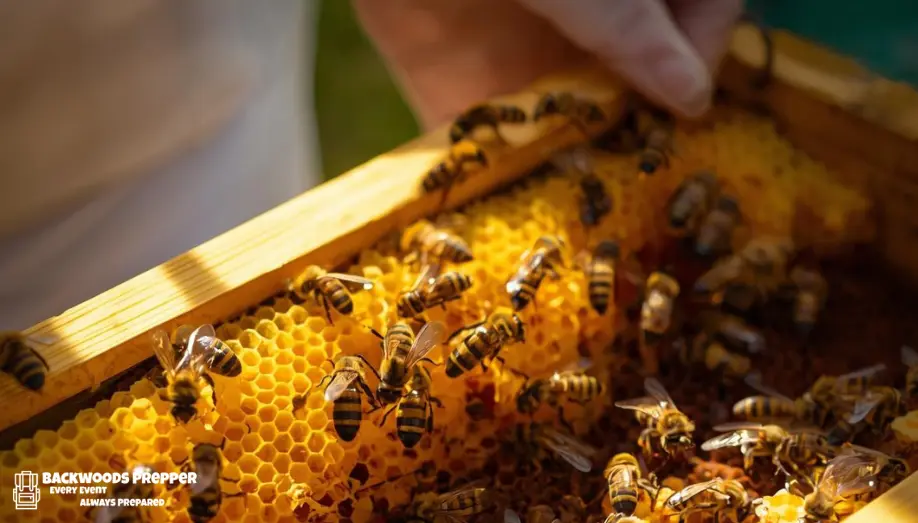
Beekeeping is a rewarding and sustainable way to produce your own honey while also helping local plants thrive through pollination. Whether you live in a rural area or even in an urban setting, keeping bees can be a manageable and fulfilling hobby. This guide will walk you through the basics of getting started, the essential tools you’ll need, and some pro tips to ensure your hive thrives.
Why Keep Bees?
- Honey Production – Homegrown honey is a natural sweetener, packed with nutrients and immune-boosting properties.
- Pollination Benefits – Bees are vital for the pollination of flowers, fruits, and vegetables, improving your garden’s productivity.
- Wax & Other Byproducts – Beeswax can be used for candles, balms, and homemade cosmetics.
- Environmental Contribution – By keeping bees, you support local ecosystems and help sustain declining bee populations.
Getting Started with Beekeeping
Beekeeping requires some knowledge, patience, and the right equipment. Here’s a step-by-step guide to help you get started:
Step 1: Research & Learn
Before diving in, educate yourself on beekeeping by reading books, taking online courses, or connecting with local beekeeping clubs. Understanding bee behavior, hive management, and seasonal needs is essential for success.
Step 2: Choose a Hive Type
There are several types of hives, but the most common include:
- Langstroth Hive – A popular choice with stackable boxes and removable frames, great for honey production.
- Top-Bar Hive – A horizontal design that is easier to manage, but yields less honey.
- Warre Hive – Mimics a natural tree hive and requires less maintenance.
Step 3: Gather Essential Equipment
You’ll need the following tools to start your beekeeping journey:
- Beehive – Choose a hive type suited to your goals and environment.
- Bees – Order a nucleus colony (nuc) or a package of bees with a queen from a reputable supplier.
- Protective Gear – A beekeeping suit, gloves, and veil protect you from stings.
- Smoker – Helps calm bees when inspecting the hive.
- Hive Tool – Used to pry apart hive components and remove frames.
- Bee Brush – Gently moves bees off combs during inspections.
- Feeder – Provides sugar syrup for feeding new colonies if nectar sources are scarce.
Step 4: Set Up Your Hive
Pick a location with plenty of morning sunlight and some wind protection. Ensure there’s a nearby water source and place the hive on a stable stand to keep it off the damp ground.
Step 5: Introduce Your Bees
Once your hive is ready, introduce your bees and queen. Give them time to settle and start building comb. Check on them every few days to ensure they are adjusting well.
Step 6: Hive Maintenance
Regular inspections are key to a healthy hive. Look for signs of disease, pests (like varroa mites), and make sure the queen is laying eggs. Provide supplemental feeding if necessary during harsh seasons.
Start Preparing Properly Today
Register now for your monthly membership
Common Challenges & Solutions
- Swarming – This occurs when a colony outgrows its space. Prevent it by adding extra hive boxes or splitting the colony.
- Pests & Diseases – Learn to recognize signs of mites, hive beetles, and fungal infections. Natural treatments and hive management can help keep problems under control.
- Weather Protection – In extreme heat or cold, provide shade or insulation to keep the bees comfortable.
Pro Tips for Successful Beekeeping
✅ Start Small – Begin with one or two hives to gain experience before expanding.
✅ Respect Your Bees – Move slowly and remain calm to avoid agitating them.
✅ Harvest Wisely – Only take surplus honey to ensure bees have enough food for winter.
✅ Stay Educated – Beekeeping techniques evolve, so keep learning and networking with experienced beekeepers.
✅ Be Patient – It may take a season or two before your hive produces a good honey harvest.
Always Remember
Beekeeping is a fascinating and productive hobby that benefits both you and the environment. With the right setup, knowledge, and care, you can enjoy fresh honey, contribute to local pollination, and experience the joy of working with these essential pollinators. Whether you’re in the city or countryside, starting a hive can be a rewarding step toward self-sufficiency and sustainability.
Sign up to our Newsletter
(We do not share your data with anybody, and only use it for its intended purpose)