Trading Goods and Skills in a Post-Collapse World
When traditional money loses its value or becomes inaccessible, bartering and alternative economies become essential for survival. Whether due to economic collapse, natural disasters, or supply chain breakdowns, the ability to trade goods and skills can mean the difference between thriving and struggling. Understanding how to navigate a barter-based economy will help you secure essentials, build community ties, and maintain a sustainable way of life.
Why Bartering is Important in a Post-Collapse World
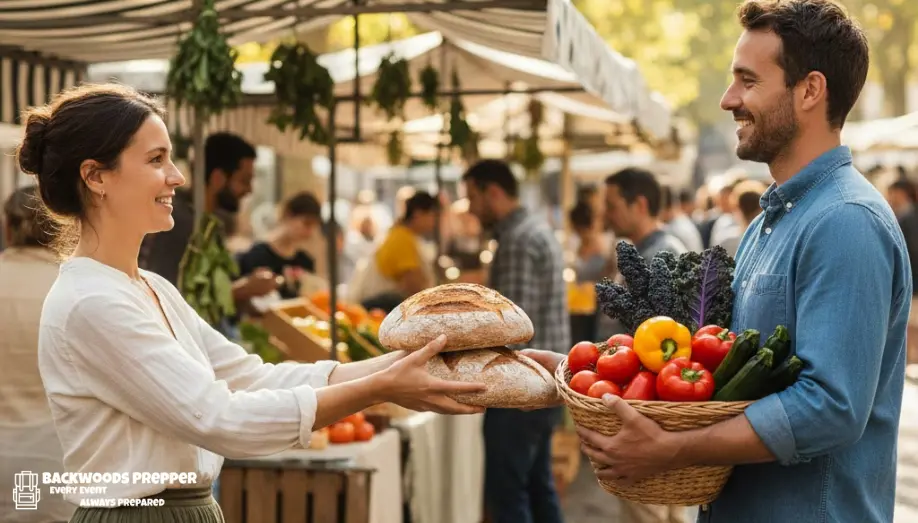
Bartering is one of the oldest forms of trade, allowing people to exchange goods and services without using money. In a situation where currency becomes worthless due to hyperinflation, bank failures, or government collapse, having valuable items or skills to trade ensures you can still obtain what you need. Bartering also strengthens local communities, fostering relationships based on mutual benefit rather than financial gain.
Essential Items for Bartering
Certain goods retain value in any crisis because they fulfill basic needs or provide comfort. These items will always be in demand:
- Food & Water: Non-perishable food, canned goods, rice, beans, and bottled water.
- Medical Supplies: Bandages, antiseptics, painkillers, antibiotics, and first aid kits.
- Fuel & Energy Sources: Propane, firewood, candles, batteries, and solar chargers.
- Ammunition & Firearms: In many survival scenarios, self-defense tools are highly valuable.
- Hygiene Products: Soap, toothpaste, toilet paper, feminine hygiene products, and disinfectants.
- Alcohol & Tobacco: These items are often used for trade, even among non-users.
- Tools & Repair Supplies: Hand tools, nails, screws, rope, duct tape, and multitools.
- Seeds & Gardening Supplies: Non-GMO heirloom seeds, compost, and gardening tools.
- Clothing & Blankets: Warm clothing, boots, gloves, and insulated sleeping bags.
- Books & Knowledge-Based Resources: Survival guides, medical handbooks, and DIY manuals.
Skills That Have Barter Value
Beyond physical goods, skills are just as valuable—sometimes even more so. Those with specialized knowledge will always find opportunities to trade their abilities in exchange for necessities. Some of the most in-demand skills include:
- Medical Care: First aid, herbal medicine, dentistry, and midwifery.
- Food Production & Preservation: Gardening, hunting, fishing, and food storage techniques.
- Mechanical & Repair Skills: Fixing engines, plumbing, and electrical work.
- Blacksmithing & Metalwork: Making tools, knives, and basic weapons.
- Security & Self-Defense Training: Firearm handling, hand-to-hand combat, and perimeter security.
- Sewing & Textile Work: Mending clothes, making new garments, and crafting useful fabrics.
- Construction & Carpentry: Building shelters, repairing homes, and creating furniture.
- Water Purification & Sanitation: Filtering water, digging wells, and setting up sanitation systems.
- Alternative Medicine & Herbalism: Creating natural remedies and treating minor illnesses.
- Teaching & Information Sharing: Educating others on survival skills, first aid, and technical trades.
Skill Level: Beginner to Advanced
Bartering requires basic negotiation skills, an understanding of value exchange, and the ability to determine the worth of goods and services. Developing these skills will improve your ability to trade effectively.
Beginner Skills (Basic Readiness)
- Learning to trade common survival items such as food, water, and hygiene products.
- Understanding the value of bartering and practicing small trades within your community.
- Keeping track of local needs and shortages to determine what is valuable.
Intermediate Skills (Increased Preparedness)
- Developing specialized skills such as medical care, repair work, or food production.
- Building relationships within a barter network or trade group.
- Negotiating fair deals and understanding when to walk away from a bad trade.
Advanced Skills (Self-Sufficiency Mastery)
- Creating an alternative currency system or trade standard in a local community.
- Organizing and managing large-scale trade markets or barter fairs.
- Establishing a long-term supply chain for essential goods within a barter economy.
Start Preparing Properly Today
Register now for your monthly membership
Pro Tips for Successful Bartering
- Know the Value of Your Items and Skills: Research what others need and what your trade items are worth.
- Start Small and Build Trust: Bartering relies on relationships—establish yourself as a fair and honest trader.
- Trade in Bulk for Better Deals: Offering multiple goods or services at once can secure better trade terms.
- Diversify Your Trade Goods: Don’t rely on just one type of item; have a mix of essentials and luxury goods.
- Be Prepared to Walk Away: If a deal isn’t fair, don’t feel pressured to accept it—there will always be other opportunities.
- Develop a Network: Having a group of trusted traders makes it easier to source what you need and ensures fair exchanges.
- Have a Backup Plan: If someone can’t pay immediately, consider establishing an IOU or setting up a future trade agreement.
- Improve Your Skills Constantly: The more useful skills you develop, the more valuable you become in a trade economy.
Alternative Economic Systems in a Post-Collapse World
Beyond traditional bartering, several alternative economic systems can develop in a crisis:
- Community-Based Resource Sharing: People work together to share food, labor, and tools.
- Local Currencies or Trade Tokens: Some groups create their own trade systems to facilitate exchanges.
- Work-for-Trade Arrangements: Instead of exchanging goods, individuals provide labor in return for necessities.
- Mutual Aid Networks: Groups of people offer skills or services to each other without direct trade, relying on community goodwill.
Long-Term Sustainability in a Barter Economy
For bartering and alternative economies to function effectively long-term, it’s important to:
- Establish a reliable network of trusted traders.
- Develop a local production system for essential goods like food, clothing, and medicine.
- Create fair and enforceable trade agreements to prevent disputes.
- Adapt to changing needs and values within the community.
In a post-collapse world, bartering and alternative economies will play a crucial role in ensuring survival and stability. By stockpiling valuable trade goods, developing useful skills, and building strong barter networks, you can thrive even in uncertain times. The key to success is understanding the needs of others, negotiating fair exchanges, and staying adaptable as circumstances change. Whether you’re preparing for an economic downturn or simply seeking greater self-sufficiency, mastering the art of trade is a critical survival skill.
Sign up to our Newsletter
(We do not share your data with anybody, and only use it for its intended purpose)