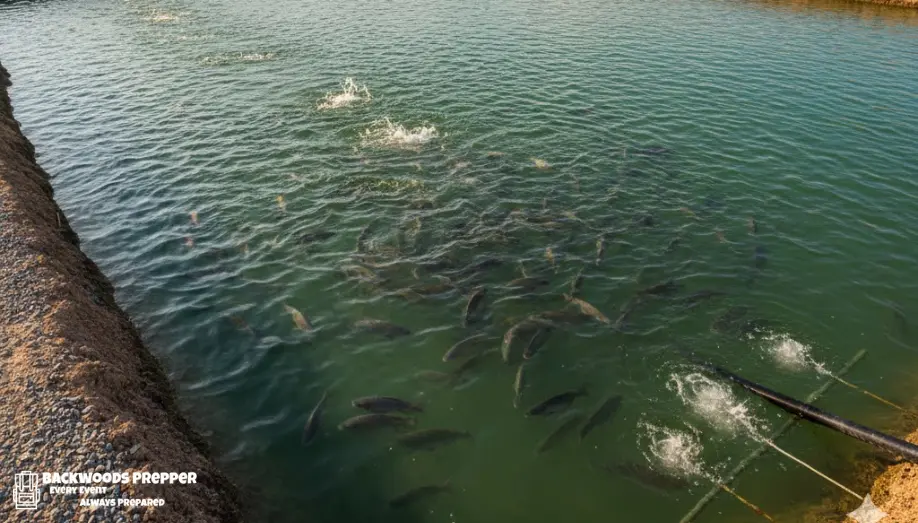
Aquaculture, or the practice of farming fish and other aquatic organisms, is becoming an increasingly popular choice for homesteaders looking for sustainable sources of protein. Raising fish on your homestead not only provides a consistent food source, but it can also be a rewarding and eco-friendly venture. Whether you’re looking to add fish to your diet or create a sustainable aquaculture system for your family, this guide will show you the basics of getting started with fish farming on a homestead.
Why Raise Fish for Protein?
Fish farming on a homestead is an efficient way to produce high-quality protein with relatively little space and effort. Fish, especially freshwater species like tilapia, catfish, or trout, are a great source of lean protein, healthy fats, and important nutrients like omega-3 fatty acids. Unlike other forms of animal agriculture, aquaculture systems can use small spaces and water resources effectively, making it a great fit for those with limited land.
Raising fish also allows homesteaders to reduce their reliance on store-bought meat, creating a more sustainable lifestyle. Fish farming doesn’t require much in terms of equipment, and with the right setup, it can become a self-sufficient protein source for your family.
Getting Started with Aquaculture on the Homestead
Before you jump into fish farming, there are a few things to consider. The most important elements are space, water, and the species of fish you choose to raise. Here’s a step-by-step guide to help you get started.
- Choose the Right Fish for Your Climate and Space
The first step in starting an aquaculture system on your homestead is choosing the right fish. The species you raise should be suited to the climate and water conditions on your property. Some popular choices for homestead aquaculture include:
- Tilapia: These freshwater fish are hardy, easy to care for, and grow quickly, making them an excellent choice for beginners. They thrive in warmer climates and require water temperatures between 75°F to 85°F.
- Catfish: A popular choice for homesteaders, catfish are bottom feeders and can tolerate a range of water conditions. They can thrive in temperatures between 70°F to 85°F and are relatively low-maintenance.
- Trout: If you live in a cooler climate, trout might be a good option. They require cold, oxygen-rich water (50°F to 60°F) and are great for ponds with high-quality water.
- Bass and Bluegill: These species are also suitable for larger backyard ponds. They are more common in warmer climates and can provide a mix of both sport and food fish.
- Set Up Your Aquaculture System
Once you’ve chosen your fish, it’s time to set up the system. There are several ways to raise fish on a homestead, from small backyard ponds to more advanced systems like aquaponics. Below are the main systems you can consider:
- Backyard Pond: A simple pond setup is ideal for beginners. It can be a natural pond or a man-made pond that holds water for fish to swim in. Make sure your pond is large enough to allow for proper fish growth and that the water source is clean and reliable.
- Aquaponics System: Aquaponics is a combination of aquaculture (raising fish) and hydroponics (growing plants without soil). The waste produced by fish is filtered by plants, and the plants help filter and purify the water for the fish. This system requires more equipment but offers the bonus of growing vegetables along with your fish.
- Cage or Tank System: This method is ideal for those with limited space but access to a reliable water source. Fish are kept in tanks or cages, and the water is filtered and circulated to maintain a healthy environment for the fish.
- Maintain Proper Water Conditions
Water quality is the most important factor in fish farming. To keep your fish healthy, you need to ensure that the water has the right balance of temperature, pH, oxygen, and cleanliness. A few things to keep in mind include:
- Water Temperature: Make sure the water temperature is suitable for the fish species you’re raising. Use heaters or coolers to regulate the temperature, if necessary.
- Water Oxygenation: Fish need oxygen to survive. Oxygen levels should be monitored, especially in smaller tanks or ponds. You may need to use aerators or water pumps to keep the water oxygenated.
Water pH and Cleanliness: Fish thrive in water with a balanced pH, usually between 6.5 and 8.5. Regularly test the water and make sure it is free from toxins like ammonia and nitrates, which can build up from fish waste. Using a filtration system or performing regular water changes is important to keep the water clean.
Start Preparing Properly Today
Register now for your monthly membership
- Fish Feeding
Feeding your fish properly is essential to their growth and overall health. Most fish species will thrive on commercial fish feed, which provides all the essential nutrients. You can also supplement their diet with live foods like worms or insects, depending on the species.
Be mindful of overfeeding, as excess food can pollute the water and lead to unhealthy conditions. A good rule of thumb is to feed your fish twice a day, giving them only as much food as they can consume in about 10 minutes.
- Harvesting and Handling the Fish
Once your fish are ready for harvest, it’s time to enjoy the fruits of your labor. The harvesting process depends on the species you’ve raised. Tilapia and catfish, for example, are typically ready to harvest at 6-9 months of age. Trout might take longer, especially if you’re raising them in cooler waters.
When harvesting, ensure you handle the fish carefully to avoid damage. Use a net to remove them from the water and quickly process them if you’re planning to eat them right away. If you plan to store your fish, clean and freeze them immediately after harvest to maintain freshness.
Tools and Equipment for Aquaculture
Here’s a list of essential tools and equipment you’ll need to start aquaculture on your homestead:
- Pond or Tank: A clean, secure water source for your fish to live in.
- Water Pump and Aerator: To ensure your fish have oxygen-rich water.
- Filtration System: To help keep the water clean and healthy.
- Fish Feed: Commercial feed or supplementary live foods for your fish.
- Water Testing Kit: To monitor pH, ammonia, and oxygen levels.
- Heater (optional): For maintaining the proper water temperature.
- Fishing Nets: For harvesting fish from the water.
Pro Tips for Successful Fish Farming
- Start Small: Begin with a manageable number of fish to learn the ropes. As you become more comfortable, you can increase your stock.
- Monitor Water Quality Regularly: Good water quality is key to successful fish farming. Regularly test and clean your water system to prevent problems.
- Be Patient: Fish farming takes time, especially when raising fish for meat. Ensure you’re patient and consistent with your care, and you’ll be rewarded with healthy, productive fish.
- Consider Sustainable Practices: If possible, try to use natural water sources or recycle water within your system to minimize environmental impact.
Aquaculture is a rewarding and sustainable way to raise protein on your homestead. Whether you’re looking to raise fish in a small backyard pond or create a larger aquaponic system, the benefits of having fresh, homegrown fish are numerous. With proper setup and maintenance, fish farming can provide your family with a steady, healthy source of protein, and you’ll be taking another step toward living a self-sufficient lifestyle. By following these tips and using the right equipment, you’ll be well on your way to successful fish farming on your homestead.
Sign up to our Newsletter
(We do not share your data with anybody, and only use it for its intended purpose)