
In recent years, there has been a growing interest in alternative building methods that prioritize sustainability, low cost, and ecological impact. One of the most exciting aspects of these methods is that they allow homeowners to use natural, local materials that are abundant and affordable. Among the most popular alternative building techniques are cob, straw bale, and earthbag homes. These methods are not only eco-friendly, but they also offer an opportunity to create unique, durable, and energy-efficient homes.
If you’re considering building a home with these materials, this article will guide you through the basics of each method, the tools you’ll need, and pro tips to help you succeed.
What Are Cob, Straw Bale, and Earthbag Homes?
Before diving into each method, it’s important to understand what these terms mean:
- Cob Homes: Cob is a natural building material made from a mixture of clay, sand, straw, and water. It’s a centuries-old technique that results in sturdy, insulated walls. Cob homes have a natural, earthy aesthetic, and the material is highly customizable.
- Straw Bale Homes: Straw bale construction uses bales of straw (often from wheat or rice) as the primary material for walls. These bales are stacked and then covered with a layer of plaster or adobe to create thick, highly-insulated walls. Straw bale homes are known for their energy efficiency and ability to maintain comfortable temperatures year-round.
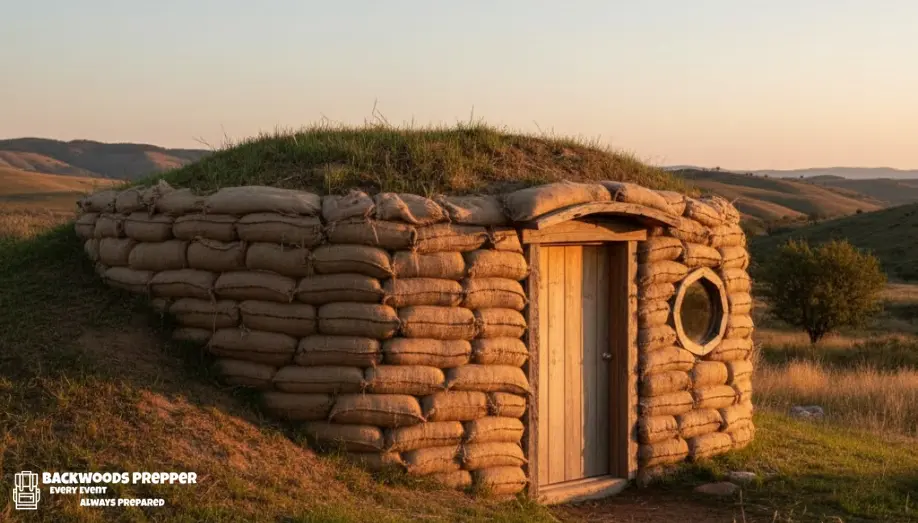
- Earthbag Homes: Earthbag construction involves filling large polypropylene bags with soil or other natural materials and stacking them to create walls. The bags are compacted to form solid, durable walls that provide excellent thermal mass. Earthbag homes are affordable, resilient, and particularly useful in disaster-prone areas.
Why Choose Alternative Building Methods?
There are several reasons why these alternative building methods are becoming increasingly popular:
- Sustainability: Cob, straw bale, and earthbag homes are made from natural, often locally sourced materials, reducing the environmental footprint of construction. They also use fewer processed materials, which can significantly lower a building’s carbon footprint.
- Cost-effectiveness: These methods are generally less expensive than traditional construction, both in terms of materials and labor. Since much of the work can be done by hand, they offer a great option for those looking to build a home on a budget.
- Energy Efficiency: These building methods offer excellent insulation properties. Straw bale walls, for example, provide superior thermal performance, keeping homes cool in the summer and warm in the winter. Cob and earthbag homes also offer good insulation and thermal mass, helping to stabilize indoor temperatures.
Aesthetic Appeal: Cob, straw bale, and earthbag homes offer unique, organic designs that blend beautifully with the natural environment. Their earthy tones and sculptural forms create a home that feels connected to the land.
Start Preparing Properly Today
Register now for your monthly membership
1. Cob Homes
Cob construction has a long history, dating back to ancient civilizations. It’s an incredibly flexible and natural building material, allowing for curves and unique shapes that would be difficult to achieve with other building methods.
Tools Needed:
- Shovel: To mix the cob material.
- Wheelbarrow: For mixing and transporting the cob mixture.
- Trowel and Plastering Tools: To apply the final layer of plaster to protect the walls.
- Rope or String: For measuring and creating consistent wall thicknesses.
How to Build a Cob Home:
- Prepare the Foundation: The first step in building a cob home is to prepare a solid foundation. Cob is heavy, so a well-prepared foundation is critical. A stone or concrete foundation works best.
- Mix the Cob: Cob is made by mixing clay, sand, straw, and water. The ratio depends on the local materials, but a common mixture is 1 part clay, 3 parts sand, and a handful of straw for every batch. Knead the mixture until it’s pliable but firm.
- Building the Walls: Once the cob is ready, begin laying it on the foundation. Build in layers, adding more cob until the walls reach the desired height. Use your hands to form the cob into a smooth, sculptural surface.
- Finishing Touches: Once the walls are up, apply a plaster coating to protect the cob from the elements. Cob is highly durable but needs to be kept dry, so a good plaster layer is essential.
Pro Tip:
Since cob homes are typically self-built, it’s important to be patient and take your time to perfect the technique. Cob homes are best suited for warm, dry climates, but with proper insulation, they can work in colder regions too.
2. Straw Bale Homes
Straw bale construction has gained popularity in recent decades for its sustainability and energy efficiency. It’s an excellent choice for areas where the climate demands strong insulation, as straw provides exceptional thermal properties.
Tools Needed:
- Baling Twine or Wire: To secure the bales.
- Plastering Tools: For applying the exterior and interior plaster.
- Shovel: To position and level the bales.
- Tape Measure: To ensure consistent bale placement.
How to Build a Straw Bale Home:
- Foundation: Just like with cob homes, start by preparing a strong foundation. A raised concrete or rubble trench foundation works best for straw bale construction.
- Stack the Bales: Place the straw bales in a brick-like pattern, making sure to stagger the joints. The bales should be stacked tightly and evenly. Secure each bale with twine or wire as you go.
- Frame the Windows and Doors: As you stack the bales, make sure to frame openings for windows and doors. These frames should be secured well to ensure they don’t shift.
- Plaster the Bales: Once the bales are in place, apply a layer of plaster to the walls. This helps to protect the straw from moisture, pests, and fire. You can use a natural lime or clay plaster, which is breathable and eco-friendly.
- Finish the Interior: Apply plaster to the inside of the walls as well to create a smooth, finished look. The plaster also adds to the insulation and durability of the walls.
Pro Tip:
Straw bale homes are best for dry climates where moisture is not an issue. Make sure the roof overhangs are sufficiently large to protect the walls from rain and snow.
3. Earthbag Homes
Earthbag construction is a low-cost, highly durable alternative building method that uses bags filled with earth or other materials. Earthbag homes are known for their strength, thermal mass, and ability to withstand extreme weather conditions.
Tools Needed:
- Polypropylene Bags: These large bags are filled with soil or earth and stacked to form walls.
- Shovel: To fill the bags with soil.
- Tampers: For compacting the earth inside the bags.
- Barbed Wire: To secure the bags together and prevent them from shifting.
How to Build an Earthbag Home:
- Prepare the Foundation: Like the other methods, an earthbag home needs a solid foundation. Often, a concrete or rubble trench foundation is used to keep the bags above ground level and prevent moisture from entering.
- Fill and Stack the Bags: Fill the polypropylene bags with soil or earth from your site. Stack the bags in a brick-like pattern, making sure to compact the soil as you go with a tamper. Barbed wire is placed between the layers of bags to help secure them.
- Shape the Structure: Earthbag homes can be built in a variety of shapes, from round to rectangular. Curved walls are common in earthbag construction, providing additional strength and aesthetic appeal.
- Plaster and Finish: Once the walls are in place, cover them with plaster to protect the earth from moisture and pests. You can use a natural lime or cement plaster for added durability.
Pro Tip:
Earthbag construction is highly adaptable to different climates and terrains. It’s an excellent choice for areas that experience extreme weather conditions, such as high winds or earthquakes, as earthbag walls are incredibly strong.
Building a home using alternative methods like cob, straw bale, or earthbag construction can be a rewarding experience. These natural building techniques are sustainable, cost-effective, and offer the opportunity to create a home that is deeply connected to the land. While these methods require patience, skill, and some upfront effort, the benefits they offer in terms of energy efficiency, environmental impact, and personal satisfaction are well worth the investment.
Whether you’re interested in creating an eco-friendly retreat or building a full-time home, cob, straw bale, and earthbag homes offer unique and sustainable options for any homesteader. With the right tools, knowledge, and a bit of creativity, you can design a home that meets your needs while leaving a lighter footprint on the earth.
Sign up to our Newsletter
(We do not share your data with anybody, and only use it for its intended purpose)