Boost Your Trapping Success with the Right Lures and Scents
Whether you’re in a survival situation or just practicing bushcraft skills, learning how to bait and attract wild game is a valuable skill. The right bait or scent can mean the difference between an empty trap and a successful meal. But not all animals go for the same things—what works for a rabbit won’t work on a raccoon or squirrel.
This guide will teach you the basics of choosing and using attractants and baits for different types of small game. We’ll cover tools you’ll need, skill level, and throw in plenty of pro tips to help you level up your trapping game.
Skill Level: Beginner
You don’t need years of experience to start using attractants effectively. If you can safely set a snare or deadfall and understand basic animal behavior, you’re ready to start learning what kinds of baits to use and when.
Tools and Supplies Needed
Most attractants and baits are easy to find or even make yourself. Here’s what you’ll want in your kit:
Baiting Kit:
- Bait container (plastic bag, jar, or film canister)
- Fishing line or wire (to secure bait)
- Latex or nitrile gloves (to avoid leaving human scent)
- Knife or multitool
- Spoon or stick (for placing smelly baits)
- Plastic bags or small containers (for organizing different types of bait)
- Notebook or phone app (to track what baits work best)
Pro Tip: Label your bait containers and keep meat-based and sweet baits separate to avoid cross-contamination of smells.
Best Attractants for Common Game Animals
Let’s break it down by species and explain what works best to lure them in.
Squirrels
Preferred Baits:
- Peanut butter (a top choice)
- Sunflower seeds
- Cracked corn
- Pieces of apple or orange
Pro Tips:
- Smear peanut butter on a stick or leaf and place it inside a figure-4 deadfall.
- Squirrels are curious—using shiny foil or a feather near bait can attract their attention.
Rabbits
Preferred Baits:
- Fresh greens (lettuce, clover, dandelion)
- Apple slices or carrot chunks
- Alfalfa or hay (especially in winter)
Pro Tips:
- Avoid handling the bait directly; use gloves to reduce human scent.
- Place bait on or near established rabbit runs (look for narrow dirt paths through grass or brush).
Raccoons
Preferred Baits:
- Marshmallows or sugar cubes
- Canned fish or sardines
- Bacon grease
- Pet food
Pro Tips:
- Raccoons have strong hands and like to dig. Bury the bait just below the surface to make them reach for it.
- A scent trail using grease or fish oil leading to your trap can improve your chances.
Mice and Rats
Preferred Baits:
- Oats mixed with peanut butter
- Crackers or cereal
- Grease-soaked bread
Start Preparing Properly Today
Register now for your monthly membership
Pro Tips:
- Tiny amounts go a long way—mice are small but will notice strong-smelling food fast.
- Position bait close to walls, logs, or tight spaces where mice feel secure.
Skunks
Preferred Baits:
- Canned tuna or sardines
- Overripe fruit
- Peanut butter and jelly
Pro Tips:
- Be careful—skunks spray when startled. Use live traps if you’re not trying to kill.
- Bait should be placed deep inside the trap to make sure the skunk is fully inside when it triggers.
Foxes (for advanced trapping)
Preferred Baits:
- Rotten meat (the smellier the better)
- Chicken parts or feathers
- Gland lures (store-bought or made from animal glands)
Pro Tips:
- Foxes are wary of human scent. Boil your trap components or rub them with dirt to mask odors.
- Foxes prefer to investigate rather than rush in—set your traps slightly off-trail and blend them well.
Natural and Homemade Attractants
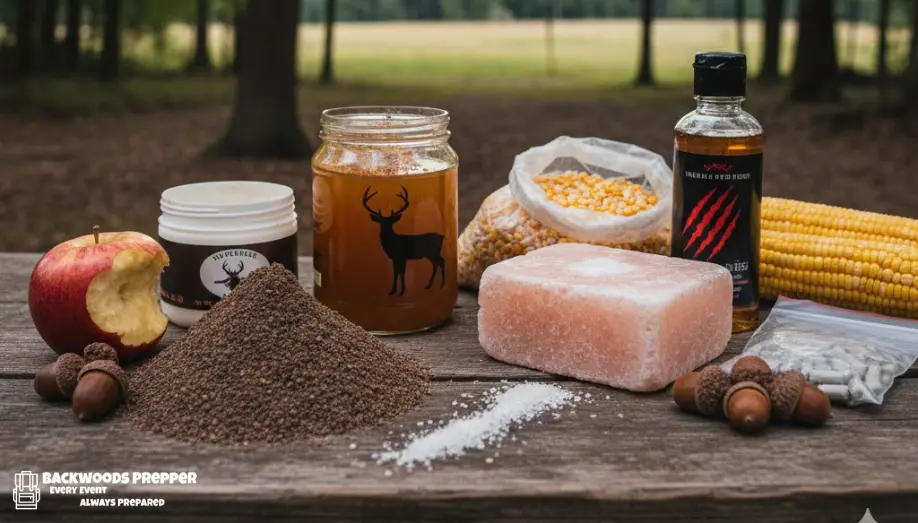
If you’re in the field without store-bought bait, don’t worry. You can make your own.
Ideas:
- Fruit mash – Overripe berries or apples crushed with sugar
- Grease scent trail – Bacon fat drizzled along the ground
- Nut butter mix – Peanut butter with seeds or oats
- DIY fish oil – Soak dried fish parts in a small jar of water for a few days (keep it sealed—it will stink!)
Pro Tip: In winter, meat-based baits work better; in summer, sweet and fruity baits attract more animals.
Using Scent to Your Advantage
Sometimes it’s not about food at all. Scents and smells can attract or repel animals.
Common Attractant Scents:
- Anise oil – Strong licorice smell, good for raccoons and squirrels
- Vanilla extract – Works well for small mammals and smells sweet
- Fish oil – Extremely smelly, used to lure scavengers
Avoid These Mistakes:
- Don’t touch bait with bare hands
- Don’t use heavily perfumed soaps or colognes before setting traps
- Don’t reuse bait that’s spoiled or dried out
Safety Tip: Always wash hands and tools after handling meat or oily baits to avoid attracting predators to your camp.
Final Checklist for Using Attractants
- Did you match the bait to the target species?
- Did you use gloves to avoid human scent?
- Did you secure the bait properly to avoid theft?
- Are you using the right bait for the season?
- Did you place the trap where animals already travel?
Choosing the right bait is just as important as setting the trap correctly. Animals are creatures of habit, and they follow their noses to food. If you take the time to understand what they like to eat—and where they like to go—you’ll greatly improve your chances of success.
Test different baits. Keep notes. Learn what works in your local environment. With a little practice and some stinky bait, you’ll be catching game in no time.
Sign up to our Newsletter
(We do not share your data with anybody, and only use it for its intended purpose)