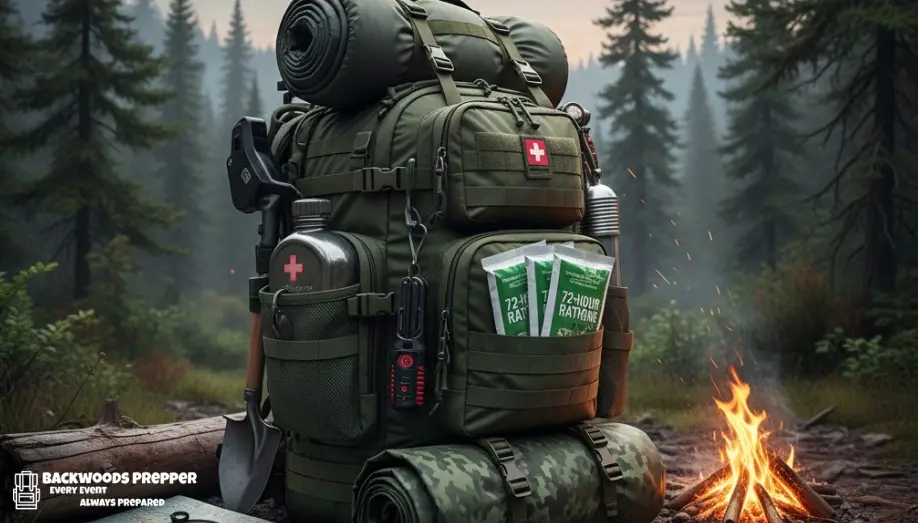
When disaster strikes, you may have to leave your home in a hurry. Whether it’s a natural disaster, power outage, or some other emergency, having a well-stocked 72-hour kit—also known as a bug-out bag (BOB)—can mean the difference between survival and struggle. In this guide, we’ll cover what to pack, why each item is important, and some pro tips to ensure your bag is ready when you need it.
What is a 72-Hour Kit or Bug-Out Bag?
A 72-hour kit is a portable emergency survival kit designed to keep you alive for three days. This is typically the time it takes for emergency services to respond or for conditions to stabilize after a disaster. A bug-out bag is similar but often packed with longer-term survival in mind.
The goal is to have all the essentials you need to survive, stay warm, hydrated, and safe while on the move.
Essentials to Pack in Your 72-Hour Kit
Let’s break down the most critical supplies into categories:
1. Water & Hydration
- 1 gallon per person per day (3 gallons total) – Drinking and hygiene.
- Water purification tablets or LifeStraw – In case you need to filter water from a natural source.
- Collapsible water bottle or canteen – Lightweight and easy to pack.
Pro Tip: Keep a small bottle of electrolyte powder to prevent dehydration.
2. Food & Nutrition
- High-calorie, non-perishable food (MREs, energy bars, dried fruit, nuts, canned goods with pop-tops).
- Lightweight cooking stove & fuel (optional but useful for hot meals).
- Utensils, can opener, and small pot.
Pro Tip: Freeze-dried meals are lightweight and have a long shelf life—just add water!
3. Shelter & Warmth
- Emergency space blanket or sleeping bag – Retains body heat.
- Tarp or lightweight tent – Protection from wind and rain.
- Extra clothing (season-appropriate) – Dry socks, gloves, hat, and a rain poncho.
Pro Tip: Wool clothing stays warm even when wet, unlike cotton.
4. First Aid & Hygiene
- Basic first aid kit – Bandages, antiseptic wipes, gauze, pain relievers.
- Personal medications – At least a 3-day supply in a waterproof container.
- Hygiene items – Toothbrush, toothpaste, soap, hand sanitizer, feminine hygiene products.
- N95 mask – Protects against smoke and dust.
Pro Tip: Super glue can be used as an emergency wound sealant.
5. Tools & Safety
- Multi-tool or knife – For cutting, opening cans, and making repairs.
- Fire-starting tools – Waterproof matches, lighter, and a ferrocerium rod.
- Paracord (50 feet) – Can be used for shelter-building, repairs, or even a tourniquet.
- Flashlight & extra batteries – LED preferred for longer battery life.
- Duct tape – Fixes almost anything!
Pro Tip: Wrap some duct tape around your water bottle to save space and have it handy.
6. Navigation & Communication
- Map of the area & compass – If GPS is unavailable.
- Hand-crank or battery-powered radio – Get emergency updates.
- Whistle – A simple way to signal for help.
- Notepad & waterproof pen – For leaving notes or recording important info.
Pro Tip: Write emergency contacts and important medical info on a waterproof card.
Start Preparing Properly Today
Register now for your monthly membership
7. Self-Defense & Protection
- Pepper spray – Non-lethal but effective for self-defense.
- Personal alarm – Can scare off threats.
- Firearm & ammunition (only if legally owned and trained to use).
Pro Tip: If carrying a weapon, make sure you understand local laws and have proper training.
How to Pack Your Bug-Out Bag
- Choose a durable backpack. Tactical or hiking backpacks with multiple compartments work best.
- Pack by priority. Items you’ll need first (like water and a flashlight) should be easily accessible.
- Balance weight. Keep heavier items close to your back and lighter items towards the outside.
- Test your bag. Walk a few miles with it to ensure it’s comfortable.
- Update regularly. Rotate food, replace expired meds, and adjust for seasonal needs.
Skill Level & Final Tips
A beginner can start with the basics: water, food, first aid, and shelter. As you gain experience, you can upgrade your kit with tools and self-defense items. Intermediate and advanced preppers may add hunting gear, advanced medical supplies, and redundant survival tools.
Pro Tip: Practice using every item in your bag before you need it in an emergency. You don’t want to learn how to start a fire or purify water when it’s already a crisis.
REMEMBER
A well-prepared 72-hour kit or bug-out bag is your lifeline in an emergency. The key is to balance weight, necessity, and versatility while making sure you can carry it comfortably. Whether you’re just getting started or refining your setup, always keep in mind the essentials: water, food, shelter, first aid, tools, and communication.
Preparedness isn’t about paranoia—it’s about being ready for almost anything. So, take the time to build your bug-out bag today. When disaster strikes, you’ll be glad you did!
Sign up to our Newsletter
(We do not share your data with anybody, and only use it for its intended purpose)